A cramped hillside in the city’s older district taught me the rhythm of difficult lots. The property was a sliver, 38 feet wide, shoehorned between a century old brick duplex and a tangle of overhead lines. The street out front could barely fit a pickup and a dumpster. The soil report read like a dare, fill over clay, groundwater at eight feet in winter. The owner wanted floor to ceiling glass with views, a garage, and zero drama for the neighbors. We finished that home in 14 months. The first two months felt like moving chess pieces with oven mitts, permits aligning with shoring design, utility locates dictating excavation sequences, riggers inching a mini crane down the lane at sunrise. By the time drywall went up, the crew was calling the place the ship in a bottle.
Not every tricky site is a story of improvisation. With the right approach, hard lots become catalysts for homes that live better than their flat lot cousins. The constraint forces intention. You do not get to wave at complexity. You measure it, budget for it, and build into it. Here is how a seasoned custom home builder weighs the trade offs and steers a project from the first walk to the last coat of sealer.
What makes a lot difficult
Topography is the headliner, but it is seldom alone. Difficult lots tend to stack variables. A 25 to 35 percent slope, liquefaction risk, high groundwater, expansive clay, boulders, trees with protection orders, narrow access, view corridors that limit height, heritage overlays, utility easements, setback pinches, and neighbor structures built right on the line. Sometimes the trouble sits in the air, power lines draped too low for crane booms. Other times it lives below grade, an old retaining wall whose deadmen extend across property lines, a storm main with shallow cover, or a patchwork of undocumented fill from a garage that burned down in the 1970s.
The trick is not to hope any one of these goes away. The trick is to recognize how they interact. High water with a basement is a different problem than high water with pier and beam. A protected oak on the uphill side is different than one downslope where roots cross your excavation. The combined effect decides means, methods, cost, and schedule.
Early diligence that saves money later
I do not bid or promise timelines on a tough lot without a small stack of homework. The owner’s appetite for this step signals whether the project will run clean or grind.
- Commission a geotechnical report with at least two borings or test pits placed where the foundation loads will land, plus an infiltration test if stormwater requires on site management. Order a topographic and boundary survey that captures adjacent structures, tree trunks and driplines, utilities, and any recorded easements, not just the property corners. Walk the route from arterial road to site with a delivery mindset. Measure clear widths, turning radii, overhead wires, and the grade at the driveway entry. Meet the permitting planner for a pre-application conversation to confirm overlays, height planes, and any heritage, environmental, or shoreline triggers. Engage a structural engineer early, before schematic design is locked, to discuss foundation systems that suit the soil, slope, and access limits.
This diligence costs a fraction of the budget, usually in the 5 to 15 thousand dollar range, and it sets the floor for realistic risk management. For a Real estate developer weighing whether to pursue a parcel for Multi-Family infill, this phase feeds the pro forma more than any glossy rendering can. As part of Investment Advisory to clients, we often flag one or two silent budget killers at this stage, anything from deep utilities that force lift pumps to off site storm upgrades that belong to the city but get funded by you.
Reading the ground
The ground is the boss. You can massage a floor plan. You cannot negotiate with plastic clay at 18 percent swell potential. A https://kylerxvbj731.raidersfanteamshop.com/spec-vs-custom-homes-understanding-the-differences good geotechnical report gives you shear strength, bearing capacity, liquefaction screening, groundwater seasonal fluctuation, and, crucially, recommendations for construction. That last section keeps projects honest.
On steep slopes, the difference between colluvium and native material matters. Colluvium is the downhill creep of soil and rock fragments, often unstable when wet. Digging into it without shoring invites sloughing and neighbor calls. If borings show fill or colluvium to a depth of 6 to 10 feet, shallow spread footings become risky and deep foundations enter the chat. In the Pacific Northwest, groundwater often rides up with winter rains by 2 to 4 feet. In coastal California, you might find decomposed granite at 4 feet then fractured bedrock below that. Frost depth in colder climates reaches 42 inches or more, so footing depths and drain tile placement adjust accordingly.
I like to walk the site after a hard rain. Puddles, seeps, and soil color tell truths that a dry season site visit hides. A slow trickle from a hillside cut suggests an interception drain before the excavation starts. Iron staining on a retaining wall hints at chronic hydrostatic pressure.
Foundations and earthwork, picking your battles
On flat, well drained lots, a monolithic slab or conventional footing and stem wall wins for cost and simplicity. On difficult sites, we match the system to risk, access, and tolerance for movement.
Helical piles work when access is tight and loads are moderate. Installers spin them in with compact equipment, no vibration, minimal spoils. In our market, installed costs run 125 to 225 dollars per linear foot, with typical lengths between 15 and 30 feet. Micropiles and drilled shafts handle higher loads or when they must pin to competent rock. Those cost more, 250 to 600 dollars per foot depending on diameter and cage, but they buy peace under a house that hangs off a slope.
Grade beams on piers pair well with crawlspaces. You can snake beams along contours and leave much of the original slope intact, which helps with soil stability. Basement walls on a hillside demand robust waterproofing and pressure relief, or you end up with a swimming pool around a concrete box. I avoid full basements on lots with perched water unless there is no other way to meet program, and even then I push for daylight basements with at least one side fully open to air.
Rock changes the math. Blasting requires permits, neighbors get jumpy, and the schedule grows tentacles. If you have to break rock, small hoe rams and line drilling might beat blasting in tight neighborhoods, but costs climb fast. I have seen rock excavation range from 90 to 350 dollars per cubic yard. On one job cut into basalt, the rock budget alone ate 140 thousand dollars. We saved the money back by using the clean spoils as structural fill under the driveway, compacted in lifts and tested.
Shoring and protecting the neighbor’s house
Zero lot line construction is common in urban infill. The foundation of the house next door may sit within a foot of your planned excavation. There are few places where you can take bigger risks. I treat shoring plans as structural elements, not temporary extras. Soldier pile and lagging, soil nails, and secant piles all have their moment. Soldier piles with wood lagging are often the most cost effective, 650 to 1,200 dollars per linear foot in our region for depths around 12 to 18 feet. Soil nails can be elegant in sandy or silty soils, but they require enough room behind the face and careful drilling to avoid neighbor utilities.
Communication beats cleverness. Before we mobilize, we document the neighbor’s foundation with photos, agree on crack monitors, and share the sequence. One duplex owner brought us brownies after we installed vibration monitors and adjusted the excavation schedule around her toddler’s naps. That goodwill was worth more than any permit.
Water management is not optional
Hard lots concentrate water. Gravity and impervious surfaces conspire. Plan stormwater early with the civil engineer. On slopes, an uphill interceptor drain catches surface and shallow subsurface flow before it hits your excavation. At the foundation, I design redundant systems, a perforated footing drain to daylight if possible, and a secondary line that connects to a sump with dual pumps. It is not overkill to spec pump redundancy with an alarm and battery backup. Ten grand in pumps and control gear compares well to a finished basement repair.
Roofs matter too. Complex forms shed water in unpredictable ways. I prefer clean roof planes with well sized gutters and downspouts tied to a controlled outfall. In regions with onsite infiltration requirements, test pits will tell you if you can use a rock trench or need a concrete detention vault. Trench infiltration costs less but only works in pervious soils. Vaults run 25 to 60 thousand dollars for a typical Custom Homes footprint, more if you are detaining street frontage runoff.
Logistics on tight sites
I think about a difficult lot as a logistics problem first, architecture second. If you cannot get materials in and out, elegance on paper becomes misery in mud. In tight urban blocks, we stage deliveries early, we book crane days with slack, and we assign a traffic control plan that the crew actually uses.
Mini cranes and spider lifts are force multipliers when alleys are narrow. A 40 ton crane can be overkill if it cannot make the turn. On one job, we set glulam beams with a compact knuckle boom and walked them through a second floor window opening. Crane days are not cheap, 2,000 to 4,000 dollars plus rigging, but they can compress a schedule if you bundle lifts for framing, HVAC condensers, and hot tubs in the same window.
Long spans of retaining wall need space for geogrid or tiebacks. If you do not have the room, switch to a cast in place wall with a rockery face, or a mechanically stabilized earth system constrained by property lines. Miracles do not happen in two feet of clearance.
Design that works with the site
You can fight the terrain, or you can shape to it. Split level plans often solve grade transitions without massive cuts or fills. Garages tuck mid level, main living climbs a half flight to meet the view, bedrooms stack on the wind sheltered side. This approach trims retaining wall footage and can drop costs by tens of thousands.
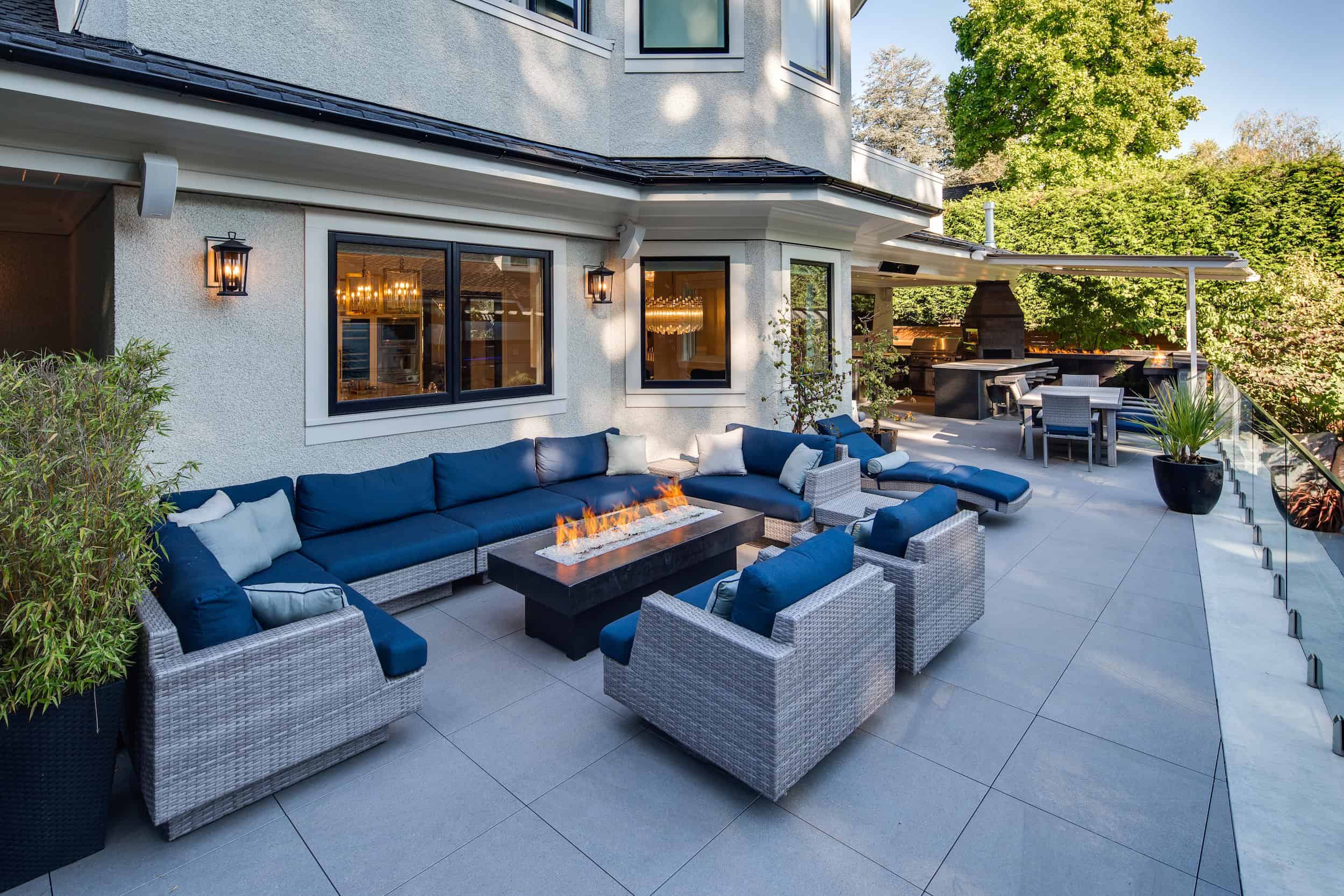
Daylight and privacy jockey for attention on compact lots. Side yards are slim, neighbors loom. High clerestory windows bring in light without broadcasting breakfast. Terraces step with grade instead of demanding big decks on tall posts. Heights and planes carve back to clear view corridors or shadow cast limits. We often run a 3D shadow study for winter solstice to stay friendly with the sun at its lowest arc.
Materials should be honest about exposure. On windward slopes, use rain screen cladding and pay attention to flashing at every penetration. Deep eaves rarely fit in zoning envelopes in urban districts, so wall assemblies do more of the work. On ocean facing slopes, salt air will find every shortcut, so stainless hardware and robust coatings become non negotiable.
Permits, overlays, and heritage districts
Entitlements can swing the whole project. Environmental critical areas like steep slope overlays, shoreline zones, and riparian buffers trigger geotechnical and biological reviews. Count on longer timelines, two to six months beyond a standard permit, and plan your design sequence so consultants run in parallel. Heritage districts add layers of review on fenestration patterns, façade rhythms, and materials. For Heritage Restorations adjacent to your new work, matching brick coursing or roof pitch is not nostalgia, it is a requirement. We have paired new construction with careful Renovations on an original carriage house, keeping its timber bones while threading new services and insulation.
Variances are not unicorns, but they require a clear hardship case. A slope greater than 40 percent can support a variance for encroaching into setback with a stair tower, for instance, if it reduces grading and protects trees. Early meetings with planners, plus neighbor outreach, build momentum for approvals. Delays are common. Build float into the schedule.
Budgeting where the money really goes
On difficult lots, site work and foundations can climb from the usual 10 to 15 percent of budget into the 20 to 35 percent range. The engines behind that jump are shoring, export of spoils, deep foundations, retaining walls, and stormwater infrastructure. Haul off fees swing wildly. In cities with long drives to legal dumps or limited hours, disposal can hit 30 to 60 dollars per cubic yard, plus trucking. A basement excavation on a 2,500 square foot footprint to an average depth of 8 feet generates around 740 cubic yards of soil. If half leaves the site, that might be 15 to 25 thousand dollars just to make dirt go away.
I carry a higher contingency on these projects. Ten percent is thin. Fifteen to twenty percent is realistic. Unknowns hide behind the first bucket of dirt. When we hit them, decision speed saves money. If a footing grows because the soils come in weaker than expected, a 24 hour turnaround on revised bars and forms keeps the crew working rather than remobilizing.
Sequencing the work
A strong sequence on a difficult lot keeps the whole team aligned, from the surveyor to the painter. Short projects with simple lots can tolerate improvisation. Hard sites punish it.
- Lock the control baseline and benchmarks before excavation, then recheck them after the first week of digging so drift does not compound. Install temporary erosion controls, interceptor drains, and, if needed, a dewatering system before cuts begin. Build shoring and protective structures first, then excavate in stages with the shoring engineer’s oversight to avoid overcuts or undercuts. Form, place, and waterproof foundations in a continuous rhythm so soils do not sit exposed longer than needed. Frame with a logistics plan that matches crane days, deliveries, and weather windows, keeping staging tight but safe.
This sequence looks ordinary on paper. On site, the discipline of doing each step fully before chasing the next separates smooth builds from rescue missions.
Constructability by design
The best drawings for a hard lot are not the prettiest, they are the clearest. Details should track the means and methods you can actually execute in a 6 foot side yard. Prefabrication shines here. We panelize walls, we prebuild stair flights, and we cut complex roof hips with CNC data from the model. Off site work trims laydown needs and reduces neighborhood disruption. Modular bathrooms slide into tight floorplates without five trades trying to share a hallway.

Engineered lumber helps us span awkward footprints. Glulams and LVLs carry loads cleanly when posts cannot stack all the way down due to openings or utilities. Steel is powerful in small doses in these homes, but we plan for fireproofing, corrosion where relevant, and the extra handling that steel implies on a narrow street.
Neighbors as stakeholders
On many compact urban jobs, neighbors feel like involuntary partners. Treat them as such. Share a schedule with milestones. Provide a cell number for a single point of contact. Keep sidewalks clean and driveways unblocked. Sound ordinary? It is astonishing how many builders ignore it and then pay for the oversight in complaints to inspectors or withheld access waivers.
On one hillside, we needed a two day license to swing a crane over a rear yard. The homeowner’s first reaction was a hard no. A week later, after we fixed her leaning fence, hauled away an old pile of bricks, and walked her through our plan, she signed happily. The license saved us three weeks of hand carrying timbers.
Safety and risk management
Steep slopes and deep holes raise the stakes. I do not let ladders stand as access on a 12 foot cut, gangways and stairs go in early. We test the air in excavations with utilities nearby. We require daily inspection of shoring when rain hits. When we dewater, we control discharge so it does not undermine the neighbor’s yard or choke storm inlets with fines. Safety is not a poster, it is a checklist embedded in the superintendent’s morning walk.
Insurance also changes with risk. Carriers may require builder’s risk endorsements for shoring and excavation, and premiums rise accordingly. Owners should discuss coverage for landslide or earth movement, which is often excluded. An experienced custom home builder will surface these gaps before a claim teaches the lesson.
Three snapshots from the field
Steep lake lot, clay over till. The owner wanted a boathouse and a lower level gym opening to the water. Geotech flagged perched water at nine feet in winter, with seepage zones. We switched from a full basement to a daylight basement with a crawlspace under the uphill rooms. Helical piles carried the lakeside grade beams, 22 to 28 feet long on average, 52 piles total. We used a sheet drain system plus redundant sump pumps and a gravity daylight line as the primary path. The boathouse sat on driven steel pipe piles due to permitting constraints along the shoreline. Site costs landed at 31 percent of the total budget. The house is bone dry.
Urban infill, 30 foot wide lot wedged between a brick fourplex and a utility pole field. Zero lot line on one side. We used soldier pile and lagging for a 14 foot cut, with tiebacks that had to clear the neighbor’s basement. A preconstruction survey found an unpermitted sewer tap in our path, which we relocated with a city inspector on site. Framing was panelized. A compact knuckle boom set panels from the street with a flagger. The project finished two weeks late due to a weather delay that froze the shoring crew. The neighbor brought champagne at the end, which is rare and welcome.
Coastal bluff, decomposed granite over fractured rock. Wind loads and salt were the enemy. We avoided basements entirely and let the home step with the terrain on short runs of concrete wall and pier. Rain screen cedar with stainless fasteners, marine grade guardrails, and powder coated steel where needed. The structural engineer detailed holdowns with hot dip galvanized hardware and we sealed cut ends in the field. We included a maintenance plan with annual washing and inspection. Five years later, the place still looks new.
Aftercare and property maintenance
Hard sites keep teaching after move in. Water wants to follow its paths. Drainage systems need cleanouts, sump pumps need testing, backflow devices need inspection. We build Property maintenance into handover for these homes. Seasonal checklists cover leaf guards, footing drains, pump tests, and slope vegetation care. Vegetation on slopes is not cosmetic, it holds soil, slows runoff, and cools microclimates. If you pave every inch of a terrace, you inherit every drop of runoff. Permeable pavers and planted joints reduce that burden.
Owners who commit to Maintenance avoid expensive surprises. A 300 dollar pump test and service can prevent a 30 thousand dollar remediation. In some cases, we stay on as stewards with annual service agreements, especially where complex stormwater systems or shared retaining walls exist.
When the site supports Multi-Family
Many of the same rules carry over when the client is a Real estate developer eyeing a difficult lot for a small Multi-Family building. The calculus shifts to unit yield per cubic yard of excavation, parking ratios, and construction type. Podium structures can work on sloped streets, with tuck under parking where grade allows. Shoring costs get spread across more units, but frontage improvements and off site utilities can grow. I advise developers to model sensitivity around shoring length and depth, groundwater management, and crane logistics. Investment Advisory here looks like scenario planning, if shoring grows by 20 percent, if export doubles, if a variance fails, does the deal live.
A word on heritage overlays in Multi-Family, respect the street rhythm. Even contemporary buildings can echo sill heights, cornice lines, and bay spacing. You will get approvals faster and tenants appreciate buildings that belong to their place.
When to walk away
Some lots are seductive in the morning sun and brutal in the math. If the geotechnical report reads like a catalog of red flags, if the only legal driveway requires hairpins a fire truck cannot navigate, if the only path to code compliance is a structural exoskeleton you cannot build with available labor, it is time to pause. I have told prospective clients to sell rather than build, twice in my career. One sold at a profit after a rezoning changed the height plane. The other, a narrow canyon lot with crumbly shale and no practical access, went to seed and now serves as a wildlife corridor. Saying no is part of being a responsible builder.
A closing perspective from the field
Difficult lots ask more of everyone. They reward patience, tight coordination, and humility in the face of terrain and time. They also produce homes with character, rooms that frame sky through unexpected angles, stairways that rise with purpose, and yards that borrow landscape from the hills beyond the fence. A skilled custom home builder treats constraint as a design partner. With clear eyes on risk, honest budgets, and a team that understands both craft and logistics, those ship in a bottle projects leave the dock and sail.

For owners considering Custom Homes on hard sites, or Renovations that add levels over fragile soils, assemble your people early, builder, architect, structural and civil engineers, geotech, and, where heritage or environmental overlays apply, specialists in those fields. If you are balancing a new home with Heritage Restorations on the same parcel, be ready for choreography. If you are a developer parsing unit counts and shoring lengths, double check the boring logs and model alternate structures. Across all of it sits maintenance, not as an afterthought but as part of the architecture.
The ground is the boss, but it is not the enemy. Learn to read it, and it will hold your house for a hundred winters.
Address: #20 – 8690 Barnard Street, Vancouver, BC V6P 0N3, Canada
Phone: 604-506-1229
Website: https://tjonesgroup.com/
Email: [email protected]
Hours:
Monday: 8:00 AM - 5:00 PM
Tuesday: 8:00 AM - 5:00 PM
Wednesday: 8:00 AM - 5:00 PM
Thursday: 8:00 AM - 5:00 PM
Friday: 8:00 AM - 5:00 PM
Saturday: Closed
Sunday: Closed
Open-location code (plus code): 6V44+P8 Vancouver, British Columbia, Canada
Map/listing URL: https://www.google.com/maps/place/T.+Jones+Group/@49.206867,-123.1467711,17z/data=!3m1!4b1!4m6!3m5!1s0x54867534d0aa8143:0x25c1633b5e770e22!8m2!3d49.206867!4d-123.1441962!16s%2Fg%2F11z3x_qghk
Embed iframe:
Socials:
https://www.instagram.com/tjonesgroup/
https://www.facebook.com/TheT.JonesGroup
https://www.houzz.com/professionals/home-builders/t-jones-group-inc-pfvwus-pf~381177860
The company also handles multi-family construction, home maintenance, and investment advisory for property owners who want a builder with both design coordination and construction experience.
With its office on Barnard Street in Vancouver, the business is positioned to support custom home and renovation projects across the city.
Public site pages emphasize clear communication, disciplined project management, and craftsmanship meant to hold long-term value rather than short-term fixes.
T. Jones Group collaborates closely with architects, interior designers, consultants, and trades from early planning through completion.
The brand presents more than four decades of family-led building experience in Vancouver’s residential market.
Homeowners planning a custom build, estate renovation, or heritage restoration can call 604-506-1229 or visit https://tjonesgroup.com/ to start a consultation.
The business also maintains a public Google listing that can be used as a map reference for the Vancouver office.
Popular Questions About T. Jones Group
What does T. Jones Group do?
T. Jones Group is a Vancouver builder focused on custom homes, renovations, and related residential construction services.
Does T. Jones Group only work on new custom homes?
No. The public services page also lists renovations, heritage restorations, multi-family projects, home maintenance, and investment advisory.
Where is T. Jones Group located?
The official contact page lists the office at #20 – 8690 Barnard Street, Vancouver, BC V6P 0N3.
Who leads T. Jones Group?
The team page identifies Cameron Jones as Principal and Managing Director, and Amanda Jones as Director of Client Experience and Brand Growth.
How does the company describe its process?
The public process page says projects begin with an initial consultation to understand the client’s vision, lifestyle, property, goals, budget, and timeline, followed by collaboration with architects and interior designers through completion.
Does T. Jones Group work on heritage restorations?
Yes. Heritage restorations are listed on the official services page as a distinct service area focused on preserving original character while improving structure, livability, and performance.
How can I contact T. Jones Group?
Call tel:+16045061229, email [email protected], visit https://tjonesgroup.com/, and follow https://www.instagram.com/tjonesgroup/, https://www.facebook.com/TheT.JonesGroup, and https://www.houzz.com/professionals/home-builders/t-jones-group-inc-pfvwus-pf~381177860.
Landmarks Near Vancouver, BC
Marpole: A major south Vancouver neighbourhood and a gateway from the airport into the city. If your project is in Marpole or nearby southwest Vancouver, T. Jones Group’s Barnard Street office is close by. Landmark link
Granville high street in Marpole: A walkable commercial stretch with shops, services, and neighbourhood activity along Granville Street. If your property is near Granville, the Vancouver office is well positioned for local custom home or renovation planning. Landmark link
Oak Park: A well-known community park near Oak Street and West 59th Avenue. If you live near Oak Park, T. Jones Group is a practical Vancouver option for custom home and renovation work. Landmark link
Fraser River Park: A recognizable riverfront park with boardwalk views along the Fraser. If your project is near the Fraser corridor, the company’s south Vancouver office gives you a nearby point of contact. Landmark link
Langara Golf Course: A familiar south Vancouver landmark with strong local recognition. If your home is near Langara or south-central Vancouver, T. Jones Group is a local builder to consider for custom residential work. Landmark link
Queen Elizabeth Park: Vancouver’s highest point and a common geographic anchor for central Vancouver. If your property is around central Vancouver, the company remains well placed for city-based projects. Landmark link
VanDusen Botanical Garden: A major west-side destination near Oak Street and West 37th Avenue. If your home is near Oak Street or west-side Vancouver corridors, the office is still nearby for planning and consultations. Landmark link
Vancouver International Airport (YVR): A practical regional marker for clients coming from the south side or traveling into Vancouver for project meetings. If you are near YVR or Sea Island connections, the office is easy to place within the south Vancouver area. Landmark link